
If just a few of these signs are present, a person should quit drinking immediately and seek the counsel of an addiction treatment specialist. Developing social alcoholics are often in denial about their relationship with alcohol. They need to rationalize their behavior, which becomes increasingly dangerous and embarrassing. They usually recognize and acknowledge their problem only after an accident or a meaningful, negative alcohol-related event—or after they hit absolute rock bottom.
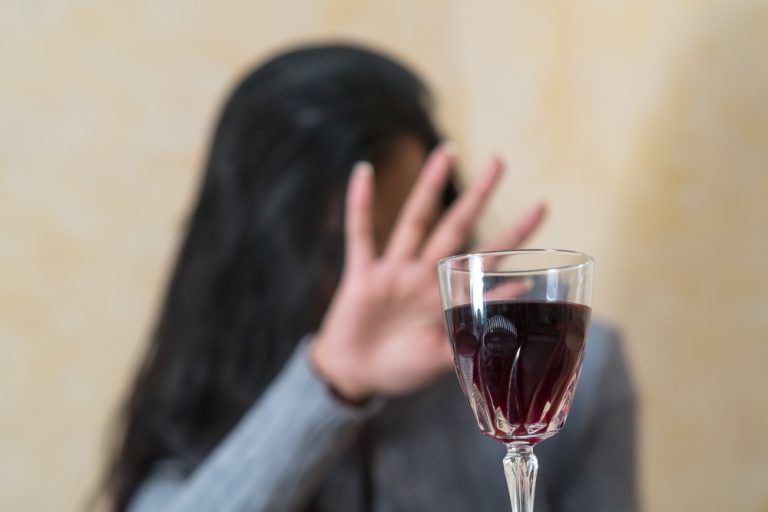
It is one thing to call oneself a social drinker, but it is another to completely understand the levels of control needed to be one. While there may be a few benefits to drinking socially, there are dangers to be considered too, as discussed in the article. Food and Drug Administration to investigate PRIME energy drinks because of high caffeine levels (200 mg of caffeine per 12 ounces) and the products’ marketing to children. The company claimed it clearly advertises the drink as for those 18-up and that another of its drinks, PRIME Hydration, has no caffeine. The Norwegian researchers defined energy drinks as non-alcoholic beverages with an average caffeine content of 150 milligrams per litre – the equivalent to 150 mg in 33 ounces.
Social Drinking: Determining Factors And Health Implications
And we all know that drinking to celebrate happy occasions, such as weddings and holiday gatherings, is very common in our society. Our News, Politics and Culture teams invest time and care working on hard-hitting investigations and researched analyses, along with quick but robust daily takes. Our Life, Health and Shopping desks provide you with well-researched, expert-vetted information you need to live your best life, while HuffPost Personal, Voices and Opinion center real stories from real people. The detox process can be dangerous without proper support and medical care. Following detox, you may want to enter an inpatient, outpatient, or online addiction treatment program. If you’re experiencing any negative effects from your alcohol use, treatment can be very helpful.
Most adolescents and young adults who drink alcohol only do so in social settings (Creswell et al., 2012; Fairbairn & Sayette, 2014), with ¾ citing “to have a good time with friends” as the primary motive for their alcohol use (O’Malley et al., 1998). Consideration of the context in which drinking occurs has important implications for understanding risk processes for the development of AUD (Creswell et al., 2014). One of the most challenging problems facing alcohol researchers is understanding why some individuals develop AUD. Major theories on the etiology (i.e., causes) of AUD have focused on intrapersonal (e.g., personality traits) and interpersonal (e.g., peer influence) factors that contribute to the development of pathological alcohol use (Sher et al., 2005). This review focuses on a critical but relatively understudied interpersonal factor in alcoholism etiology—the importance of considering whether alcohol consumption occurs in social versus solitary settings.
Life
In any case, caution must be used when interpreting these findings, because the cultural and political contexts in which these phenomena occur can differ widely. In addition, this article reviews some larger, population-based studies (see table 2), particularly those that were not addressed within the included reviews and which directly assess the association between SES and alcohol consumption and related outcomes. Although most of the studies only included adults, a few also involved adolescents when meta-analyses and reviews did not exclude such studies. Future studies—particularly rigorous meta-analyses—are needed to more fully explore the mechanisms underlying these relationships. Although homelessness may be considered a more extreme form of socioeconomic disadvantage, its effects on individuals go beyond those of SES. The literature on housing status and alcohol outcomes shows an unequivocal and clinically significant association between homelessness and increases in alcohol use, negative alcohol-related consequences, and AUD prevalence.

“It is a strange one as not only is being alcohol dependent is stigmatised but alcohol recovery is also stigmatised,” according to Ms Leonard. “So, it’s important they go see their doctor and seek professional support and avail of support to help stop,” he added. Now in recovery for two years, she explained that counselling has been a key part of the process to stay off alcohol.
Signs of Alcohol Addiction
Basically, a social drinker is one who drinks without letting the habit degenerate into alcoholism. Simultaneous treatment for alcohol use disorder and a depressive disorder can help you or your loved one take back control of your mental social drinking and drinking problem health, physical wellbeing, and overall happiness. Drug and alcohol addiction is a severe problem that can lead to health complications and even death. Alcohol problem drinking is often overlooked because it is considered a social norm.
In the United States, for example, someone who drinks larger amounts on a semi-regular basis would likely still classify themselves as a social drinker. 1The terms “heavy episodic drinking” and “binge drinking” have sometimes been used synonymously. The latter, however, has fallen out of favor with some alcohol researchers and treatment professionals because it can be confused with a longer-term and more extreme alcohol-use period than is typically referred to as a heavy drinking episode. A new study of university students in Norway found a disturbing side effect of drinking energy drinks to stay alert during the day and evening. Those who drank energy drinks daily slept about a half hour less each night, compared to those who didn’t drink energy drinks or had them only occasionally, the researchers report in the current issue of the BMJ Open medical journal. But if you know your friends are likely to give you a hard time, or you know that you’re going to run into people who are going to insist you drink, having a few canned responses can prevent you from being taken off guard.
Further, when entered simultaneously, social anxiety group was indirectly related to drinking problems via both DCSAS-NA and DCSAS-PA and the magnitude of these indirect effects was not significantly different. https://ecosoberhouse.com/ The social context of drinking turns out to matter quite a lot to how alcohol affects us psychologically. Although we tend to think of alcohol as reducing anxiety, it doesn’t do so uniformly.


